
Nonprofit left with $300k bill in blame-game between state and contractor
Published 1:00 pm Wednesday, May 13, 2026


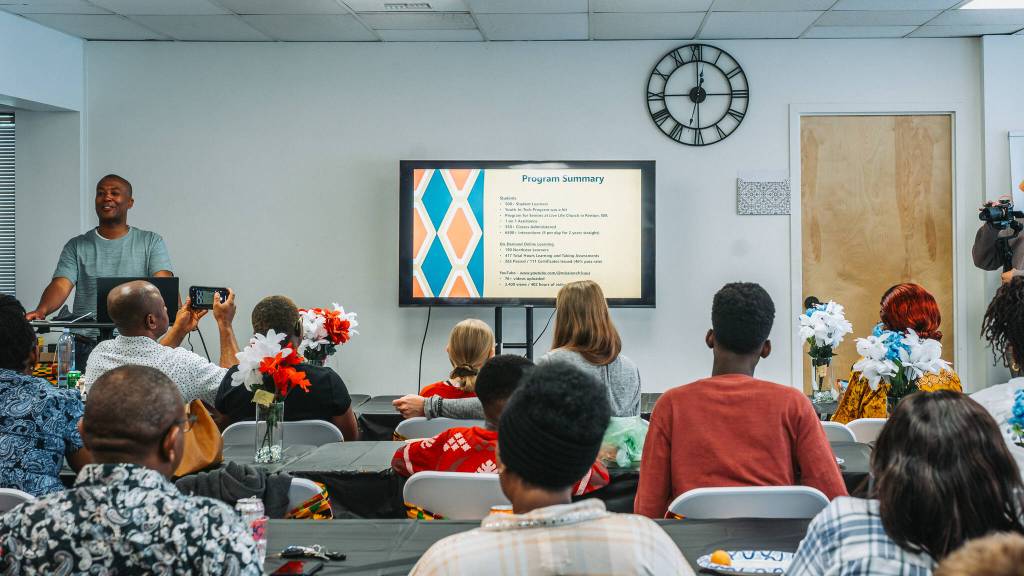
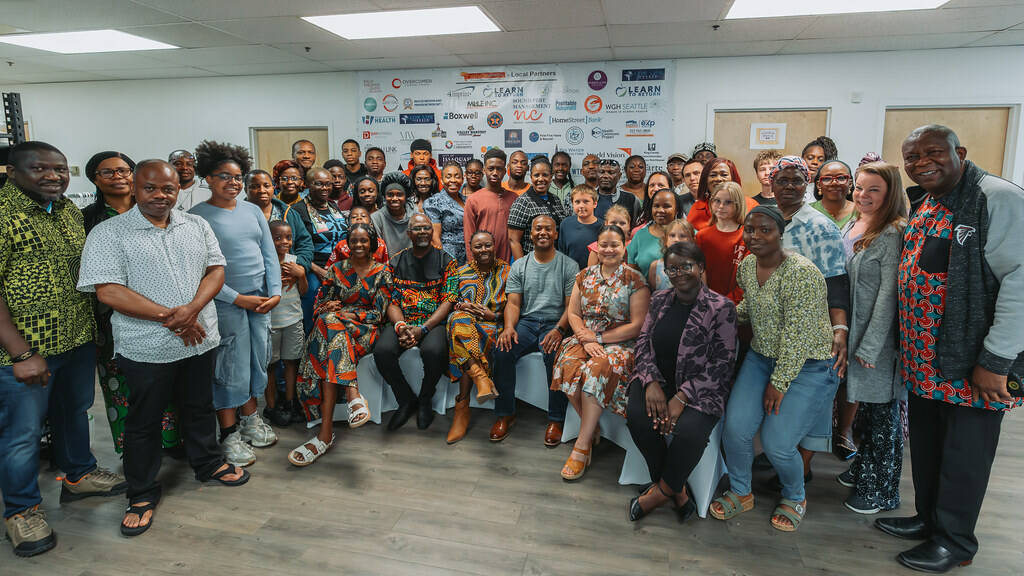




Federal Way-based nonprofit Mission Africa has been left scrambling to make up for over $300,000 of promised reimbursement from a grant the state failed to pay.
The organization is one of dozens that have been devastated by the fall-out of a conflict between the Department of Commerce and contractor Equity in Education Center (EEC) over a Digital Navigator grant program that ended in 2025.
Through the program, small organizations led programming to help community members access computers and digital tools, then reported their work and financials to the EEC, which submitted those documents and distributed the grant funds to their subcontractors.
In January 2025, those funds stopped coming.
The Department of Commerce blames EEC for failing to meet documentation requirements for themselves and their subcontractors.
The EEC blames the Department of Commerce for their lack of oversight and describes changing expectations that made requirements impossible to meet.
No matter who is to blame, Mission Africa did the work, was assured of reimbursement for over a year, and is now left holding the bill for funds that have since gone back into the state’s coffers.
The loss has caused the decades-old nonprofit to let their entire staff go and has severely impacted their ability to provide services to the community.
For over two years, the organization had over 6,050 interactions with individuals to help them improve their digital literacy, including seniors who learned to operate a mouse for the first time, and young people who learned SQL coding, cybersecurity and robotics.
In a video documenting a wrap-up of a Digital Navigator class, one woman shared that she would drive from Everett to attend classes hosted by Mission Africa.
The trip was worth it, she said, because the instructors “have the patience to teach me.”
“It has given me the confidence, it has given me the opportunity. Every Saturday I look forward to coming to this place. I don’t even care that it’s far. I care because of the way they treat us. It has broadened my opportunities to know that my age doesn’t matter, it’s what I learn from here,” she said.
The classes helped seniors access healthcare resources and helped recent immigrants apply for jobs and support programs.
In the video, one student speaks about how they were able to improve computer skills that helped them with school presentations and another young person shows a robot that they built.
The classes were held both in the organization’s Federal Way office and online, and offered translation in multiple languages. Over 70 video recordings of the classes are still live on Mission Africa’s YouTube account.
Collateral damage
In the fight for accountability and effort to reduce fraud, legitimate service providers can be caught in the crossfire.
An audit of the Digital Navigator Program found the state Department of Commerce had a serious lack of oversight of contractors within the program and a failure to clearly define requirements that did not set up their grantees for success.
“Commerce didn’t define expectations, didn’t train staff, didn’t train grantees, didn’t create structure, and later denied payments due to those missing standards,” Mission Africa shared in a press release.
“The audit found that this was their fault, but at the end of the day, they still have their jobs and I’m the one who had to lay off my entire staff,” Chuku told the Mirror.
The original contract describes reporting requirements in vague language, according to the audit.
It states that “grantee and sub-grantee invoices must include documents to verify supported payments that clearly describe the work done, project progress and fees; the grantee and sub-grantees also must break down the expenses in detail, by type.”
However, “beyond this information, the grant agreement contains no further specifics about this documentation, stating only that it must be ‘to Commerce’s satisfaction.’”
Department of Commerce media relations manager Amelia Lamb told the Mirror in an email that the department did define expectations with EEC, but “it appears some information about requirements for reimbursement was never shared with [Mission Africa],” and that EEC “was obligated to supply this information to their subgrantees.”
In interviews with KUOW and Publicola, Sharonne Navas, executive director of EEC, acknowledges that some mistakes were made, but describes how shifting requirements made it impossible to meet their documentation expectations.
The audit found that the responsibility for communication and oversight in this program was on the shoulders of one improperly trained employee at the department.
Specifically the audit found that “one employee was responsible for the entire review and payment process for reimbursement requests” who was “not trained to fulfill their job duties effectively.”
Typically, the audit adds that these duties should also “be handled by different people to ensure independent verification of each step of the process.”
Blindsided
“I know the extreme hardship the lack of timely payments has caused you, your organization and all those who Mission Africa serves. I am sorry for all this happening, and we are here doing what we can to pay you the money you are owed,” Mission Africa was told in an email on Oct. 15, 2025.
The email was from Broadband Equity Unit Managing Director Lisa Heaton, who was the organization’s contact at the Department of Commerce as they worked to resubmit over two years of documentation.
This is just one of a year’s worth of assurances they were given that monthly reimbursements would resume after they abruptly stopped in January 2025.
By the fall of 2025, it was clear that the issues between Commerce and EEC weren’t going away, and Mission Africa accepted the opportunity to re-submit their documentation and receive reimbursement in a direct contract with the state.
Chuku described this as a frustrating and redundant process, where she kept submitting the same information over and over in different formats, then being told it wasn’t good enough.
Some documents she couldn’t produce because the original terms of the contract hadn’t required them, like sign-in sheets for classes that hadn’t seemed necessary to keep because the participants had already been meticulously tracked through EEC’s approved data platform.
Communication with Heaton was frequent and positive as Mission Africa worked through the process of resubmitting their documents, as can be seen in email exchanges reviewed by the Mirror.
On Oct. 15, Heaton emailed Chuku, saying, “I am excited to hear about the two students who were offered jobs with better pay as well as the youth who participated in their high school robotics program who went on to compete at the Washington State level. This is exactly the information we needed. The format is perfect!”
A week later, Heaton stated again that “our goal is to pay you as soon as we can for the impactful work that Mission Africa provided to community members.”
On Dec. 23, Heaton stated that final approvals would be completed on or before Dec. 31, after which “a closeout letter will be issued by email which reflects the total amount of your contract and the approved amount once all payments have been issued.”
On Jan. 15, 2026, that close out letter came, and with it, heartbreak for the organization.
The letter stated that although they “appreciate the efforts you made on this project”, they determined that “none of your submitted expenses are eligible for reimbursement” and that the balance of $336,974.12 “has been de-obligated.”
As the Mission Africa team reeled from the hit, they pursued every option to appeal the decision, but were told there is no pathway to do so.
Department of Commerce spokesperson Amelia Lamb told the Mirror that Commerce has learned from this moment and will “improve their practices,” and at this time “all administrative remedies with Commerce have been exhausted. There is no other action Commerce can do for former subgrantees of EEC in this specific program.”
“Communities across Washington should expect consistent and fair rules to access the public funds Commerce is entrusted to invest. We launched a Shared Standards Initiative to create a stronger foundation for contracting at Commerce, and we’ve created a new Contracts and Compliance Division to support our commitment to communities,” Lamb said.
While this is great news for future contractors, organizations and the people they serve including Federal Way’s Mission Africa have an uncertain path forward to recover from the harm their organizations have suffered as service providers in the Digital Navigators Program.
“We have never walked away from a community member, and we did not walk away from this contract. We did the work. We documented everything. We followed every instruction Commerce gave us. We were told, in writing, that payment was coming. Instead we received zero. This is not a paperwork dispute. This is a matter of justice for the people we serve, here in South King County, who are now paying a price for a system that failed them,” Chuku said.