
Former gymnast dedicates himself to keeping athletes healthy
Published 4:42 pm Tuesday, April 10, 2012
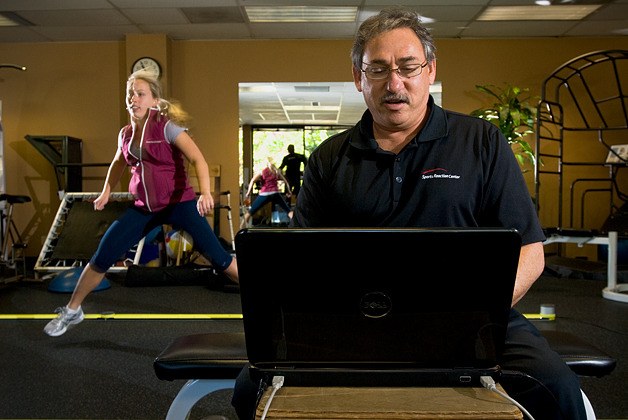
As a young gymnast, Neil Chasan spent more time on the rehab table than the floor as he bounced between treatments for injuries while yearning to get back out there and compete.
But along the way, something happened for the young South African; he became enamored with physical therapy. He married this passion with his interest and knowledge of computer science and began building the seeds for his practice in Bellevue, which employs some of the world’s best recovery technology.
Chasan has been in the physical therapy business since 1983 after he graduated from the University of Washington. He came to the U.S. shortly before age 18 when the political situation in South Africa was deteriorating.
By his early 20s, Chasan had opened his first practice in Seattle. While he has worked in a number of capacities, he decided early on he wanted to focus his time and effort to prevent future young competitors from losing significant time to injuries.
“When I graduated, I realized I didn’t want to work in a hospital setting,” Chasan said. “I wanted to be around athletes because I’ve been around athletes my whole life. If there was competitive tiddleywinks, I’d watch it.”
For nearly 15 years, Chasan has tailored his services at Sports Reaction Center to athletes. He spends much of his resources on amateur athletes: runners, rugby players and soccer players. Chasan’s facility sponsors several club teams in the area, providing free rehab services and preventative treatment. For many of these amateurs athletes, Chasan’s services extend their careers by years, even decades.
Jerry Zyskowski has been running for more than eight years. Now with Club Northwest, he has been a part of an elite running team that has won national championships. But, Chasan said, like seven out of 10 runners, Zyskowski has battled injury issues.
Hamstring problems bogged him down, and he went to doctor after doctor trying to find a diagnosis. Chasan used an instrument called OptoJump, a neon-colored set of panels mounted on a treadmill that photographed Zyskowski’s stride every time he lifted his feet. There he learned that an issue with how he rotated his back was the cause of the pain.
“Nobody else could look at my running gate,” said Zyskowski, now vice president at Club Northwest. “It was a real eye opener to get a before and after snapshot.”
Chassa’s technological instruments allow for a more objective analysis. Based on various factors, he can see which parts of the body need to be strengthened during recovery, without damaging the rest of the body.
To stay in shape, people come from all over the region to use the Alter G treadmill, a machine that hooks the runner up to a plastic cover that inflates, decreasing the amount of weight put on the runner’s stride.
For many athletes who want to go back to work quickly, Chasan’s technology can be a blessing. It gives them the ability to continue training without further risk of re-injury.
“Telling them not to workout is simply not good enough,” said Ben Bigglestone, director of coaching at VO2 Multisport, a triathlon coaching company.
In addition, he added, an athlete needs to understand the consequences of continued training, be told what training they ‘can do’ and be given realistic timeframes as to when they will be able to resume training.
“Neil and his team are very good at setting clear expectations and informing the athlete what they ‘can’ do and not what they can’t,” Bigglestone said.
Sports Reaction Center
1750 112th Ave. NE, #D154
425-643-9778
www.srcpt.com/